
Carbon Monoxide
Transfer Factor
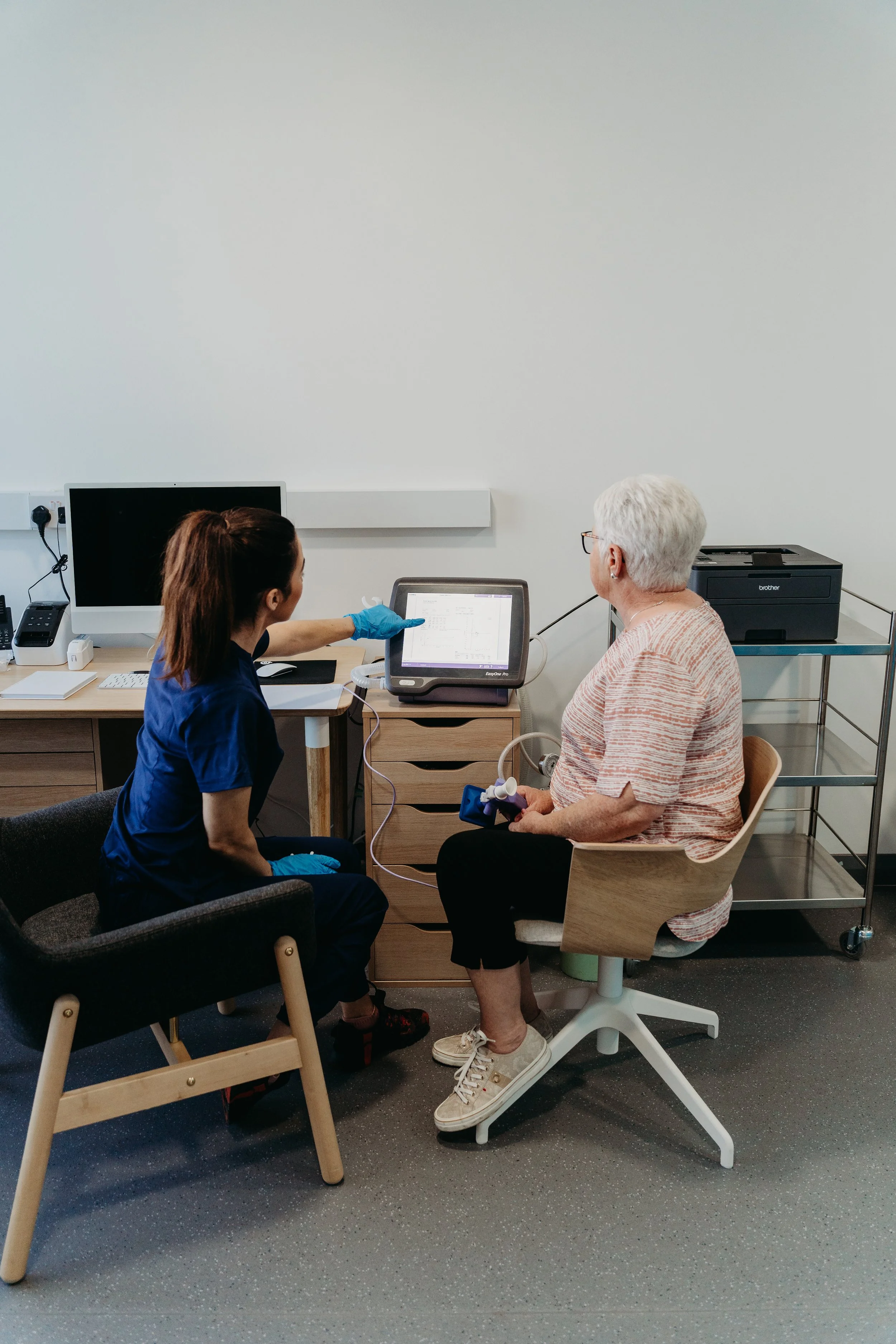
Carbon monoxide transfer factor (DLCO) is an important test in lung function assessments. The primary job of our lungs is to transfer oxygen from the lungs into the bloodstream to be delivered to the rest of the body. The transfer factor test measures how well the lungs can do this by using small amounts of different gases to take measurements of gas exchange efficiency across the lung tissue . A low TLCO can signal different lung issues, such as emphysema and pulmonary fibrosis, showing problems with gas exchange due to lung damage. Accurately measuring TLCO is essential for diagnosing and monitoring disease progression.
Frequently Asked Questions.
-
Transfer factor uses gases like carbon monoxide (CO), helium (He), nitrogen (N2) and oxygen. Carbon monoxide shows how effectively gases move from the lungs to the blood. The small concentrations used are completely safe as well as odourless and tasteless. There are no contraindications to using any of the gases in any age group.
-
A sample of your exhaled gas will be tested by the machine. The results will show how well your lungs bring oxygen into your blood. Your healthcare professional will compare your results to the normal range for someone of your age, height, sex, and ethnicity.
-
Abnormal results indicate that oxygen may not be flowing well from your lungs to your blood. This could be caused by various health issues, such as idiopathic pulmonary fibrosis or COPD. Your doctor will review the results with you and you may need more investigations to determine the cause.
-
Please refrain from smoking, consuming alcohol, caffeine and large meals 24 hours prior to testing. Avoid undertaking any strenuous exercise 30 minutes before your test.
-
You can safely take this test, but it might make you feel tired or lightheaded because of the effort involved. Your physiologist will be there to help you and will let you rest between attempts to ensure your comfort and achieve the best results.
-
The results will be interpreted by the physiologist and sent to the clinician who referred you for testing. The results of your tests will be used in conjunction with your clinical history and possibly other investigations to determine whether you have a lung condition.